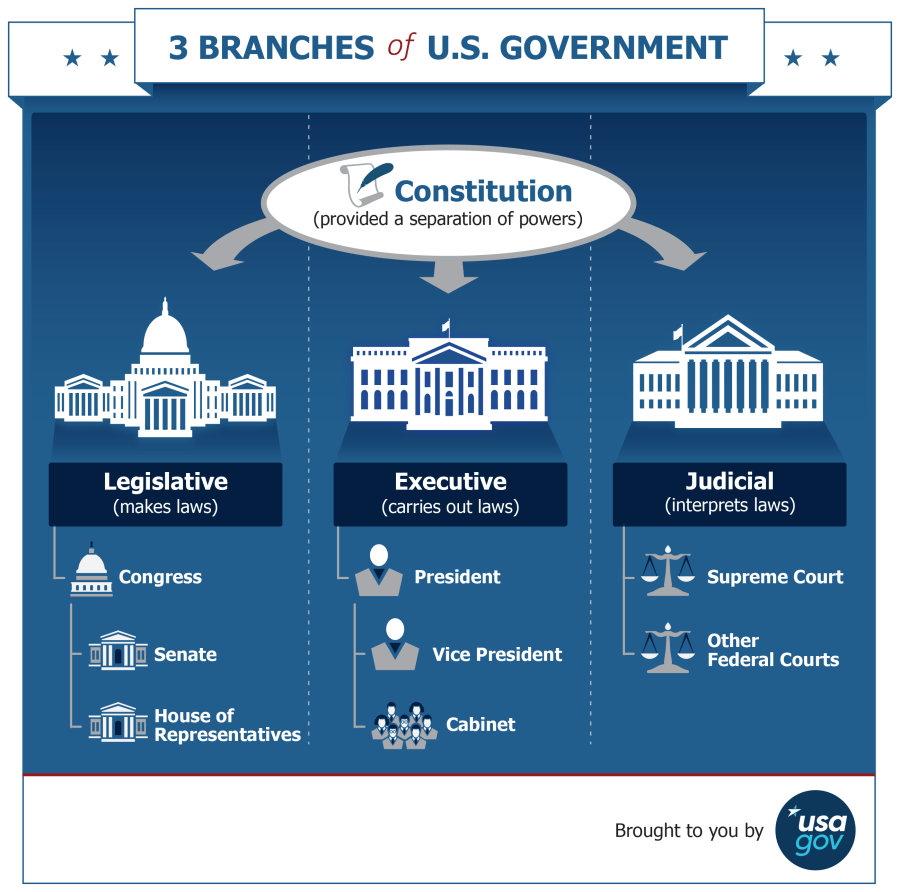
The Constitution of the United States divides the federal government into three branches: legislative, executive, and judicial. This ensures that no individual or group will have too much power.
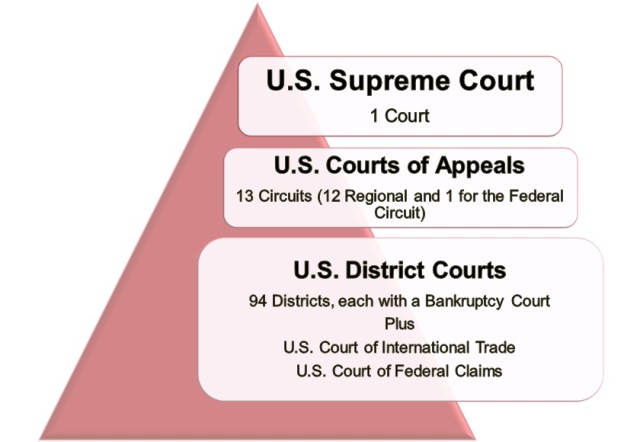
Fun Fact: The federal court system is composed of three main levels: The Supreme Court, which consists of nine justices; the Courts of Appeals, organized into 12 regional circuits and one federal circuit; and the District Courts, which are spread across 94 judicial districts nationwide.
Fun fact: The President selects nominees for federal judgeships. Then the full Senate votes on confirmation.
Fun fact: If you rank all 100 current U.S. senators by the number of votes they received in their most recent election, the five at the bottom—all Republicans—collectively garnered less than one million votes.
Yet in the current divided Congress, these five senators hold the power to confirm or reject federal judicial nominees. When you consider that each of them reached the Senate with under 200,000 votes, it raises critical questions: Is our three-branch system truly ensuring that no single group holds disproportionate power? And perhaps more urgently—are voters aware of how much authority they’re placing in the hands of such a small slice of representation?
Food for your thoughts.








Leave a Reply